Point of view · AI in product creation

How AI should help teams build the product line

Recommendations, assistants and standing jobs offer different ways to reduce the work around product creation. Their value depends on the context they can use and the control people keep.

By Mollie Panzner, VP GTM, VibeIQNovember 20266 min read
A designer changes a colorwayOne decision, made once
Line board
Product details
Review presentation
Development handoff

Someone has to make sure each one reflects the same decision.

At a glance

  • Generating a new colorway is quick. The work that slows teams down is everything needed to evaluate it and carry the decision forward.
  • AI can take on work in three ways: recommendations for a specific choice, assistants for a defined task and standing jobs for recurring responsibilities.
  • Six practical questions show whether a team can see, check and undo the work it hands over.
  • VibeIQ's AI visual exploration is available today. The recommendation and standing-job examples here are illustrative.

A designer changes a colorway. The work that follows can spread across the line board, product details, review presentation and development handoff. Someone has to make sure each one reflects the same decision.

AI can make it easier to explore that new colorway. Product teams also need help with everything required to evaluate it and carry the decision forward.

Does it fit the creative direction?
Does the line already have too many similar options?
Is it intended for every market, or only one?

And what needs to change if the team decides to keep it? Those questions sit at the heart of product line creation. Design, merchandising and development need the creative and commercial context to stay with the product as the line takes shape.

That is where we believe AI can earn a larger role: helping teams do the work of building the line, with less time spent reconstructing it.

01

Start with the work around the line

Consider a linen shirt being developed for a summer range. Its image is only part of the story. The team also needs to understand its price position, delivery window, relationship to other styles and role in the collection.

When that information lives in separate files, a review starts with gathering and checking it. A change then creates more work: updating the presentation, correcting product information or explaining the decision again to the next team.

The consequence is bigger than administrative time. Designers have less time to develop the ideas that matter. Merchants may see duplication too late. Development can put effort into an option the team has already decided to change.

Vera Bradley's experience shows why the context matters.

10%
fewer SKUs before sampling at Vera BradleyWith a shared visual assortment in VibeIQ, the team identified over-assortment earlier.That result demonstrates the value of seeing the line together. It is not a measured result of AI automation.Read the Vera Bradley story →

AI should build on that foundation. The useful question is which part of the work it should take on, using what information and with whose approval.

02

Three ways AI can take on the work

At our 2026 Customer Council, we shared three ways of thinking about AI in product creation: recommendations, assistants and standing jobs. Each takes on a different scope of work.

This is a framework for designing and evaluating AI. The examples below are illustrative; the section on VibeIQ's current capabilities explains what teams can explore today.

Three ways AI can take on the work
One choice

Recommendation

Main fabric · Linen shirt
Linen plain weave
Suggested from your material library
View source: 3 similar styles
AcceptEditIgnore
How it starts
Offered inside work that's already underway
What it takes on
A single choice
Who keeps control
The person accepts, edits or ignores it
One defined task

Assistant

Color variations · Linen shirt
From a reference image, palette and instructions
You choose which to share with the team
How it starts
A person starts it and sets the scope
What it takes on
One task with a clear start and finish
Who keeps control
The person reviews the result
Recurring work

Standing job

Pre-review check
3 need you
24 products checked before the line review
Missing fabric content2
Changed since last milestone1
Couldn't verify0
How it starts
An agreed schedule or trigger
What it takes on
A recurring responsibility with a defined remit
Who keeps control
A named owner. It asks when it needs help
The three modes, compared by how they start, what they take on and who keeps control.

Mode 1 · Recommendation

Recommendations help with a specific choice

A recommendation offers a suggestion inside the work someone is already doing. The person decides whether to accept, edit or ignore it.

For the linen shirt, that might mean suggesting an approved material from the brand's library, using known product details and similar styles. The team should be able to inspect the source and judge whether the suggestion makes sense. A fabric that looks plausible in an image is not enough to establish its composition or specification.

The value is a small amount of work removed at the point of need, without handing over the decision.

Mode 2 · Assistant

Assistants help complete a defined task

An assistant takes on a task with a clear start and finish. A person starts the work, sets its scope and reviews the result.

For example, a designer could ask for color variations of the shirt, supplying the reference image, palette and instructions. The designer then checks the outputs and chooses which are useful enough to discuss with the team.

Generating those visuals is one task. Deciding whether another colorway belongs in the line still requires the designer and merchant to consider the collection, the planned mix and the needs of each market.

The assistant's role is to make the defined task easier and leave the result usable in the next part of the workflow.

Mode 3 · Standing job

Standing jobs take on recurring responsibilities

A standing job is work that runs on an agreed schedule or trigger. It needs a clear owner, a defined remit and rules for when to ask for help.

Ahead of a line review, a job could check selected products for missing information or changes since the last milestone, then bring the exceptions to the responsible people. It should make clear what it checked and what it could not verify.

Drafting a bill of materials is another possible application, provided the job can use the required structured product and material data. A product developer would still need to validate the draft before it becomes a specification.

This is the direction for recurring assistance: less manual checking, with responsibility and approval kept explicit. The scope should expand only as the team has evidence it can rely on the work.

03

Trust belongs in the workflow

Teams need to be able to see, check and undo the work they hand over.

That principle applies across all three modes. For a product leader evaluating AI, it translates into six practical questions.

1

What information is it using?

Ask to see the records, references or approved libraries behind a result. Establish what the AI can actually read. Being in the same workspace does not mean every product field or plan target is part of its input.

2

What happens when it is unsure?

Missing or conflicting information should lead to a request for input or a clear flag for review. A confidence percentage needs an explanation of what it measures; the number alone does not make a suggestion reliable.

3

Whose permissions does it use?

Define the records and actions it can access, who owns the task and who can authorize changes. A background job needs those boundaries just as much as an assistant started by a person.

4

Can people inspect and edit the result?

A team should be able to compare proposed changes with the current information and correct them before they are applied.

5

How can a mistake be reversed?

Ask what can be undone, including a batch of changes, and what happens if information has already moved to another system.

6

Can people see what happened?

Status and history should make clear what ran, what changed, who approved it and where the work failed or needs attention.

These questions make trust practical. They also give teams a basis for starting with a limited task and deciding whether to hand over more.

04

Where VibeIQ fits today

VibeIQ is a platform for product line creation. It brings merchandising, design and product development together around the evolving line, with creative direction and commercial targets in view.

Today, its AI visual exploration supports concept imagery and variations from supplied images, references and instructions. Teams can refine selected results and add visuals to item cards to review alongside the collection.

1Start from an item

Add a reference, choose a task such as color variations, pick colors from the season palette and give instructions.
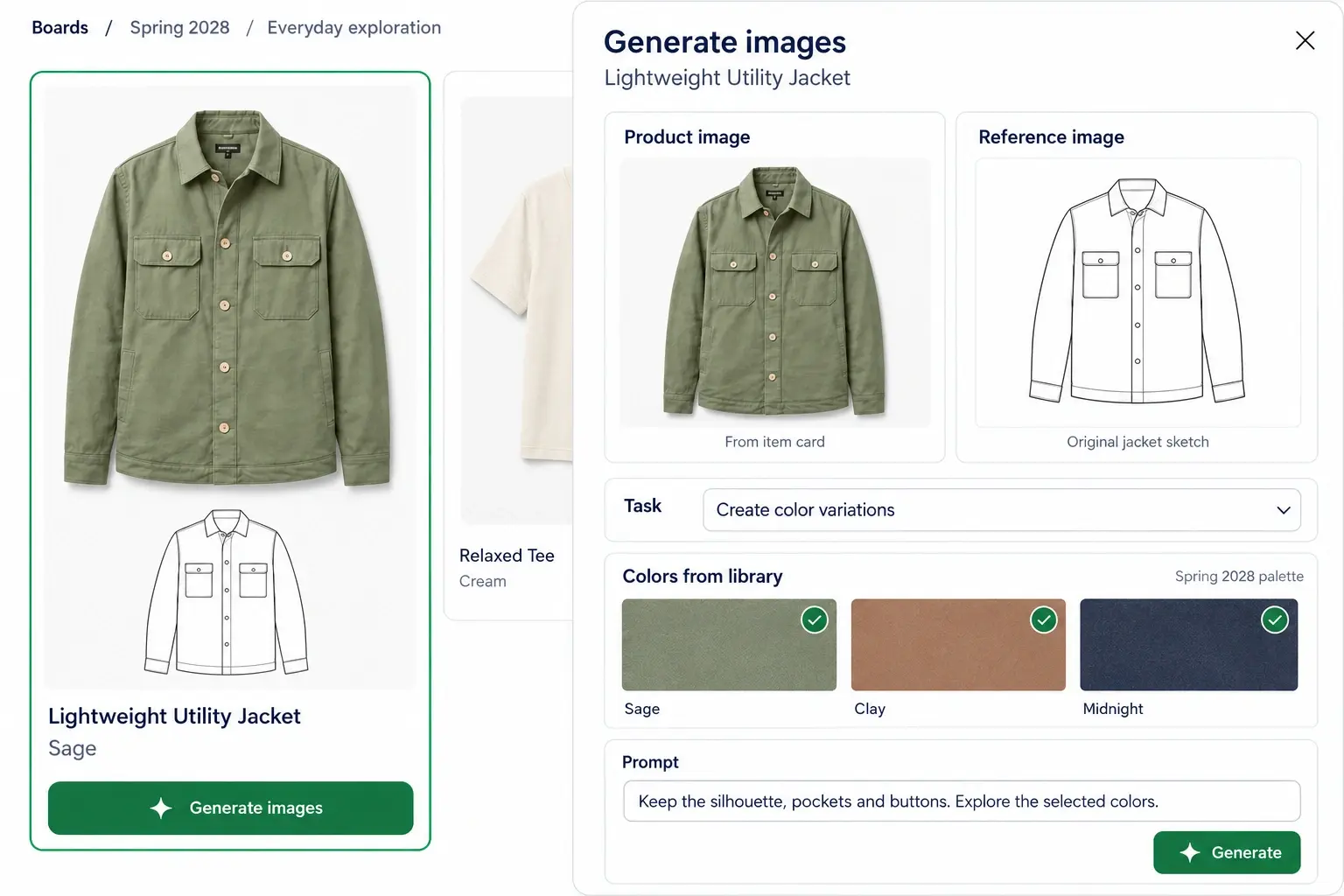
The Generate images panel opened from the Lightweight Utility Jacket item card on a Board, with the product image, the original jacket sketch as a reference, the Create color variations task, Sage, Clay and Midnight selected from the Spring 2028 palette, and a prompt to keep the silhouette, pockets and buttons.
2Review the variations

Compare concepts against the source and refine the ones worth discussing.
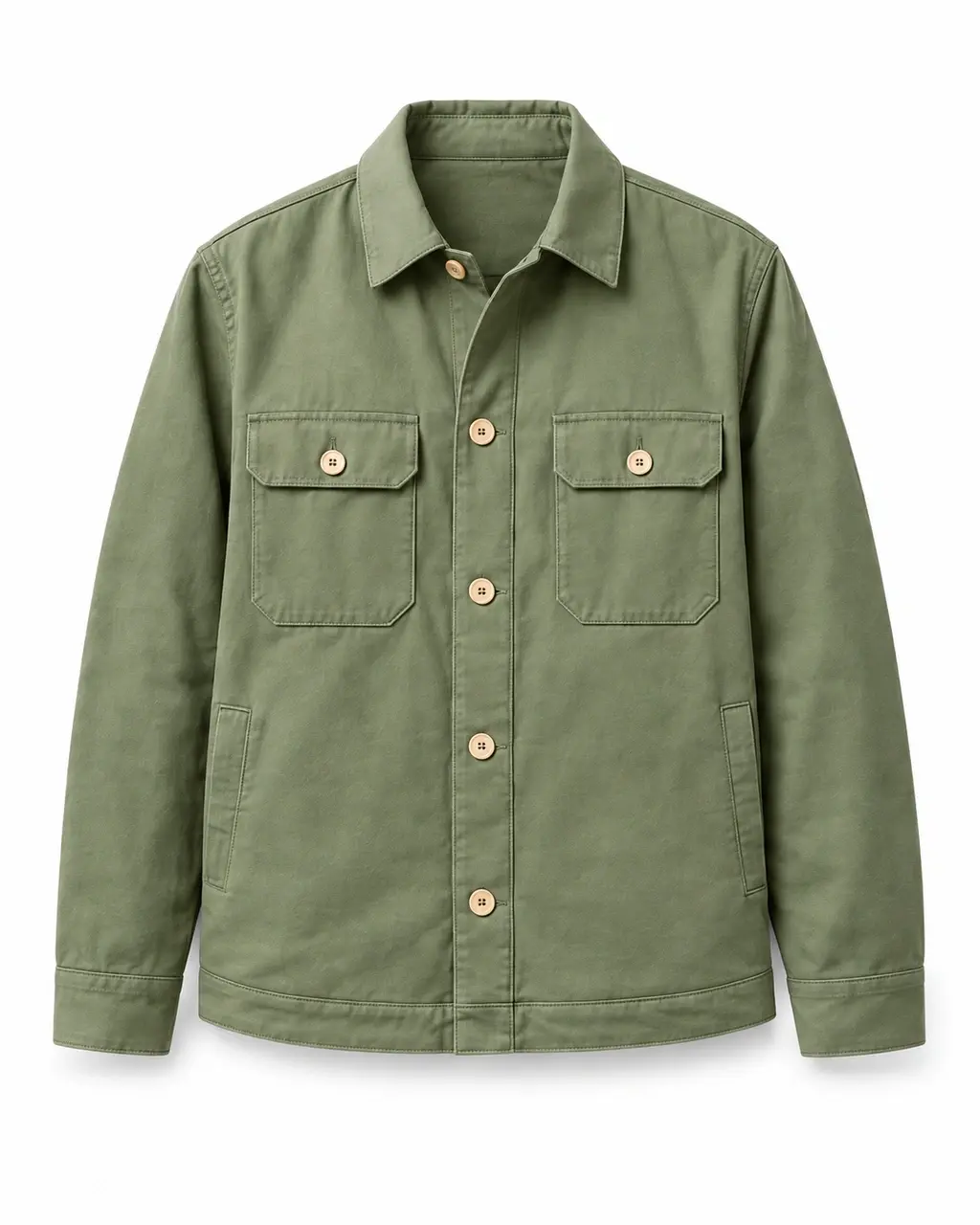
Source image of a green utility jacket
Source
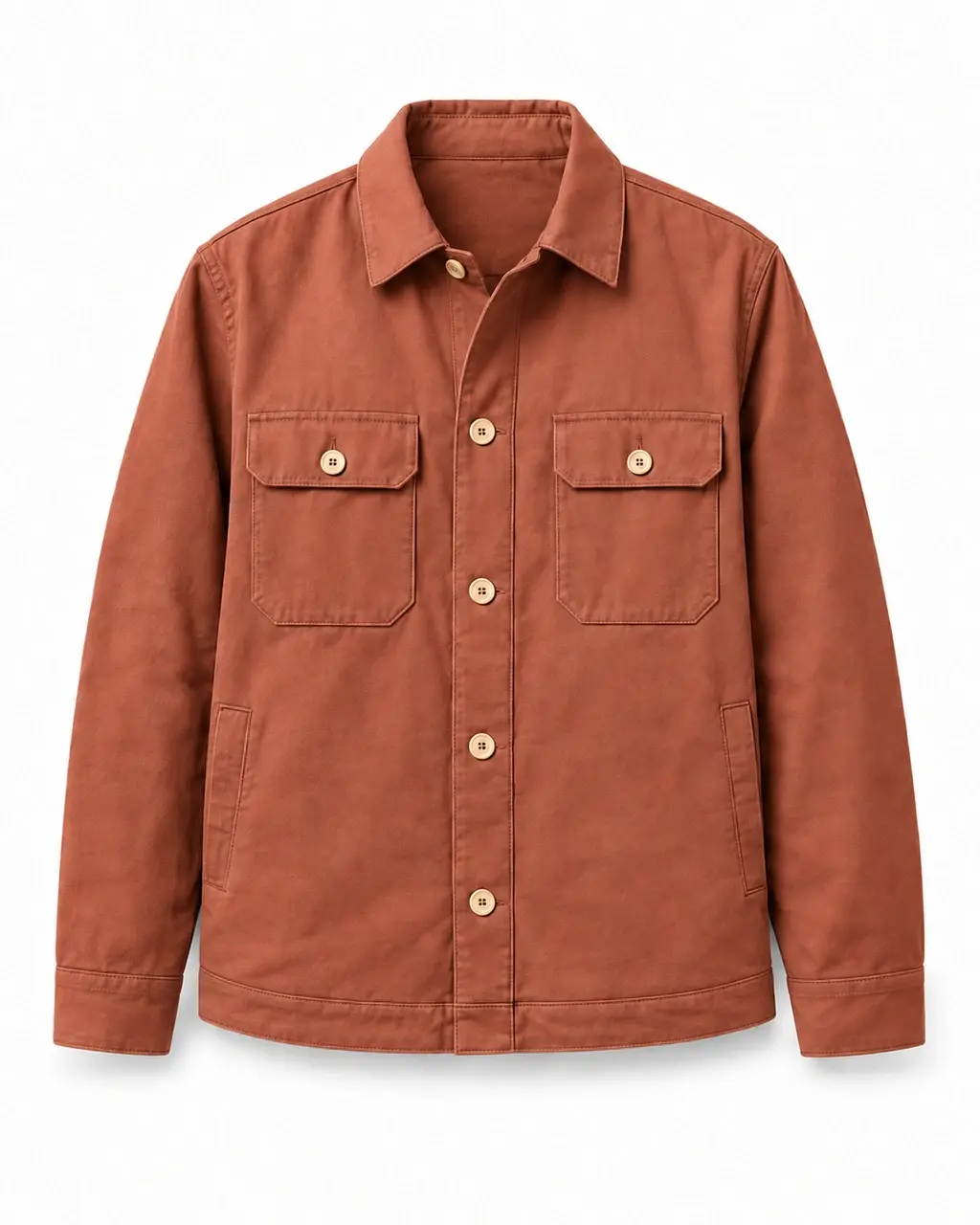
AI concept A: utility jacket in clay
Concept A
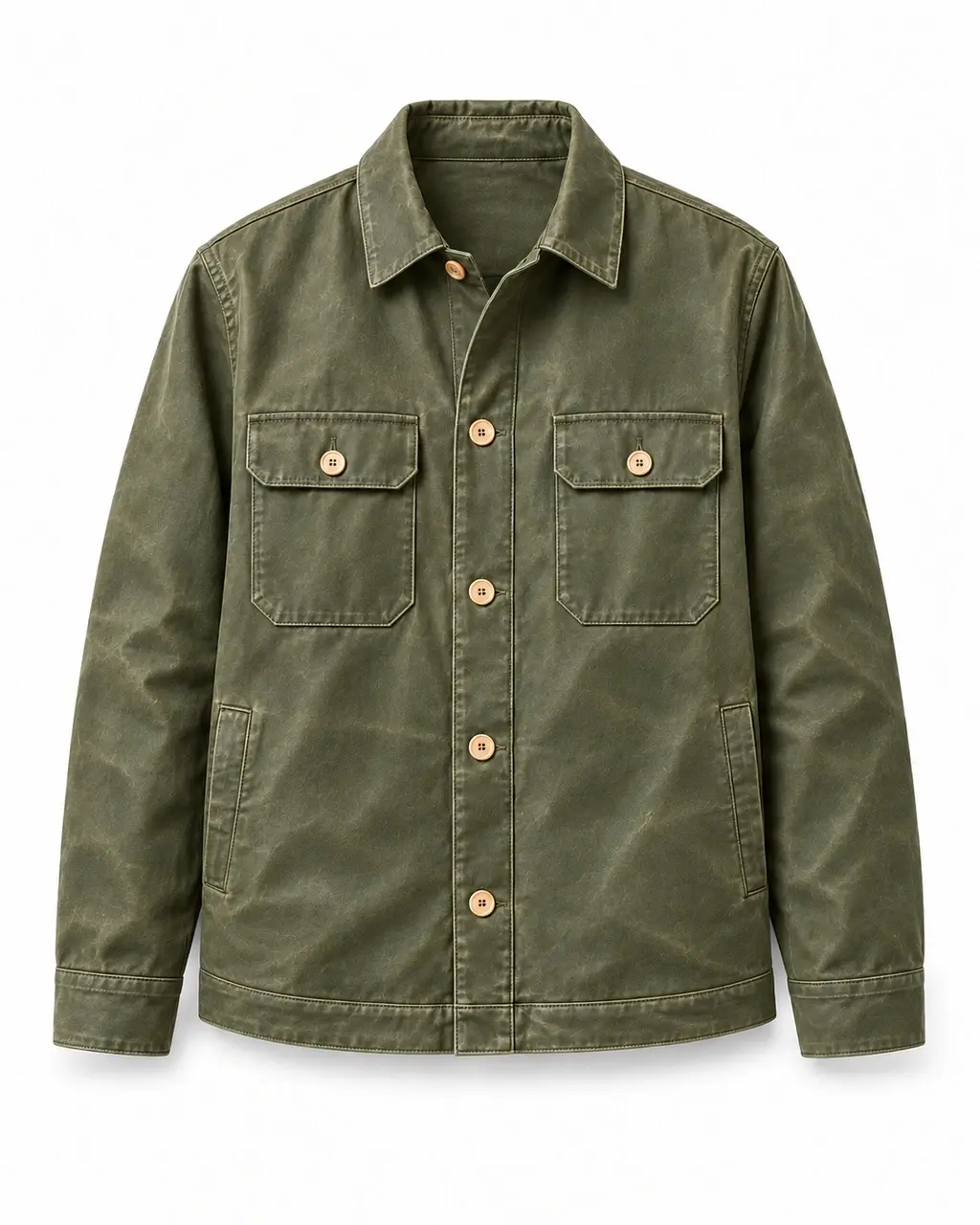
AI concept B: utility jacket in waxed cotton
Concept B
3Judge it in the collection

Chosen concepts sit beside the sketch and the rest of the line on a Board.
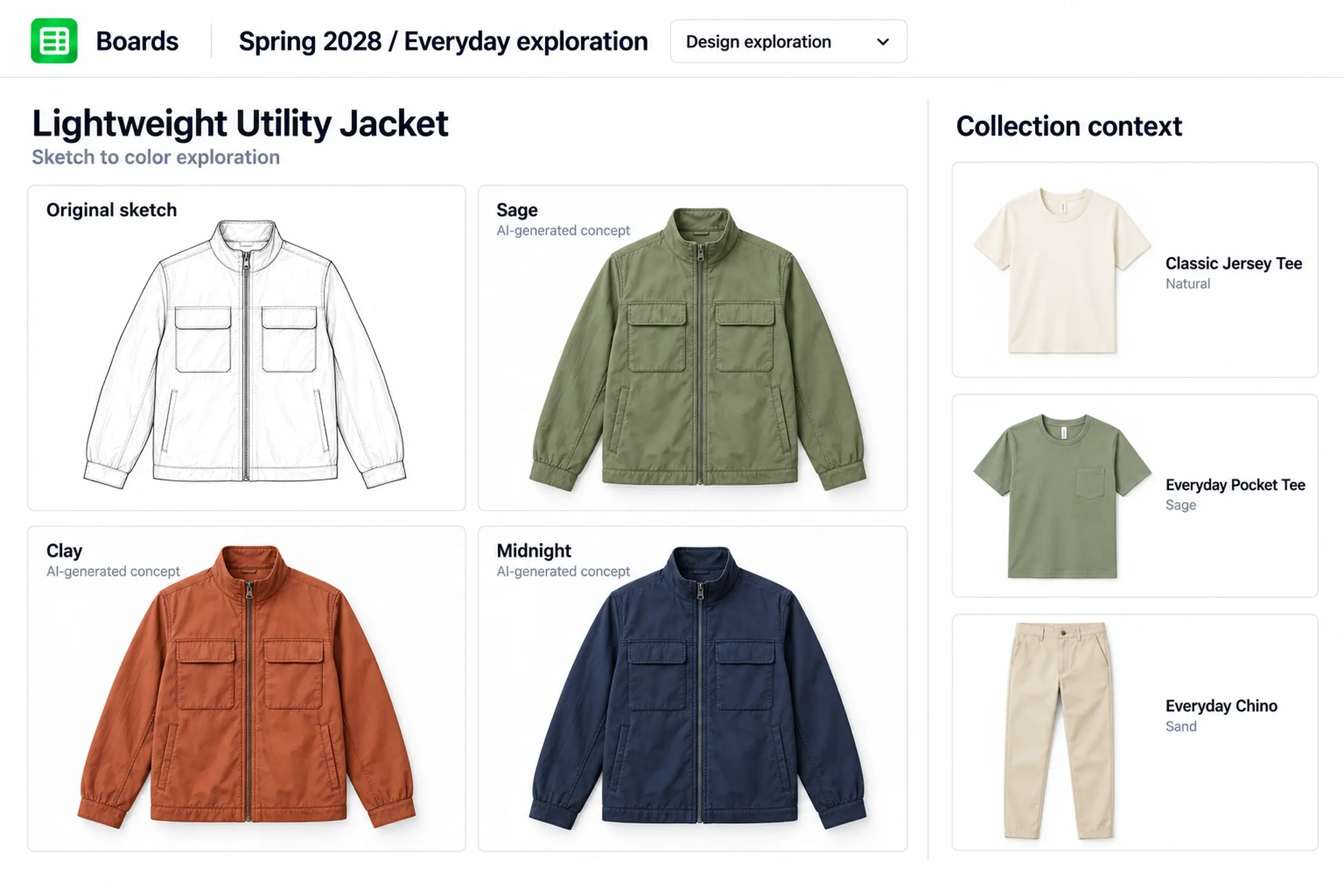
A VibeIQ Board for Spring 2028 Everyday exploration: the Lightweight Utility Jacket sketch beside AI-generated Sage, Clay and Midnight color concepts, with other collection products shown for context.

Generated imagery does not automatically update product attributes or create a production-ready specification. Planning tools retain responsibility for financial targets. Specialist design tools and PLM retain the creative and technical responsibilities assigned to them. The data exchanged with those systems depends on the implementation.

For the linen shirt, the goal is continuity: explore a direction, judge it in the collection, keep the chosen visual associated with the item and carry agreed information into the next stage. AI should help remove work within that process while preserving the context people need to make a sound decision.

Explore VibeIQ's AI product design workflow →

Bring one workflow to the conversation

Bring a design review or line-building task your team wants to make easier. We'll walk through it live in VibeIQ.

No data upload or setup is required for the first conversation. Book a working session