
In today’s retail environment, agility is often treated as a badge of honor.
Teams celebrate their ability to pivot quickly. To shift direction mid-season. To respond to changing demand. But not all agility is created equal. Because flying product in by air freight isn’t agility. It’s recovery.
What Reactive Agility Looks Like
In many organizations, agility shows up as a response to problems rather than a reflection of preparedness.
It looks like:
- Late assortment additions to chase emerging trends
- Last-minute cancellations to correct imbalance
- Emergency rebuys of unexpected winners
- Margin sacrifice to secure short-term relevance
- End-stage color or category shifts
These actions create flexibility — but they also introduce cost. They compress timelines. Increase complexity. And often force trade-offs that erode profitability.
This kind of agility happens when teams are responding to gaps they didn’t see early enough.
What Proactive Agility Enables
True agility starts earlier. It doesn’t rely on downstream corrections. It’s built through upstream clarity.
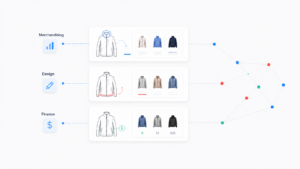
When teams have early visibility into the evolving line, they can:
- Adjust direction before commitments are locked
- Refine concepts based on emerging signals
- Balance financial targets in real time
- Iterate without disrupting execution
Decisions become dynamic instead of disruptive. And changes happen by choice — not necessity.
The Structural Difference
Reactive agility corrects blind spots. Proactive agility prevents them.
When visibility is limited during planning, misalignment surfaces late — and must be fixed quickly.
When the line is visible as it evolves, misalignment surfaces early — and can be resolved thoughtfully.
The difference isn’t speed. It’s timing.
Where Real Agility Begins
True agility isn’t enabled by faster reactions. It’s enabled before product development begins.
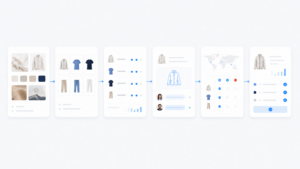
In the environment where concepts are shaped, financial targets are balanced, and assortment direction is defined. When teams can see and adjust the line upstream, they move from reacting to change to anticipating it.
Get a demo of VibeIQ to see how teams can build proactive agility into assortment creation and line planning.