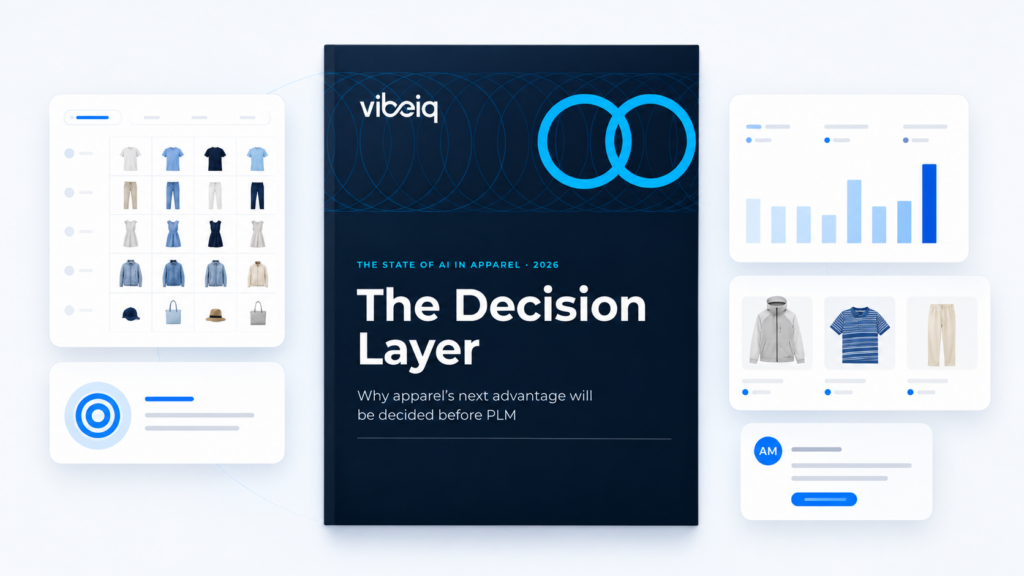
Download The Decision Layer: The State of AI in Apparel 2026 here.
Most brands will have access to the same AI models. The difference will be the product decision context those models can use.
A product can look settled by the time it reaches PLM. The style is approved, the BOM is taking shape, and costs have an official place to live.
The expensive decisions happened earlier.
A seasonal line might start with 40 ideas and room for 25. A carryover takes one of those slots. A regional team asks for an edit. Two extra colorways stretch the buy. A concept that looked strong in the first review starts to fail on margin.
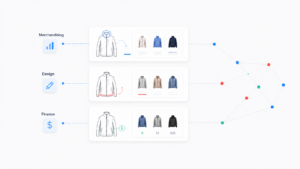
These are not administrative details. They shape margin, inventory exposure, and the line itself. Planning provides the financial guardrails, while PLM stores the approved product record. The reasoning in between often remains scattered across decks, spreadsheets, chat threads, and memory.
That gap is where apparel’s AI advantage will be decided.
The model is becoming a commodity
Image generators, tech-pack assistants, trend engines, and foundation models will continue to improve. Over time, most brands will be able to access comparable capabilities.
A model can generate an image or draft a document. It does not automatically know why a brand needs a knit at a specific opening price point, why a region rejected last season’s version, or why a vendor MOQ makes another colorway unworkable.
That context is what turns an AI output into a useful product recommendation. It also explains why adding AI to existing systems is not enough. Pulling data from PLM can tell the model what was approved. It rarely explains the tradeoffs that led to the decision.
Trust changes with the size of the bet
A designer can judge a generated image in seconds. A technical expert can review a draft tech pack before it reaches a vendor.
A line-planning recommendation is different. It can change assortment balance, margin, regional relevance, and markdown exposure at the same time. A plausible answer is not enough. Teams need to see the inputs, constraints, and tradeoffs behind it.
This is where many AI pilots stall. The output may be impressive, but it sits outside the workflow and carries no decision history. The numbers in our new report capture that gap: 92% of fashion organizations plan to increase generative AI investment, while only about 1% report mature implementation. Access to AI is moving faster than trusted adoption.
More output can make the problem worse
Most apparel companies do not need ten times more concepts, tech packs, or SKUs. If AI creates more options without helping teams choose, it adds review work and pushes more complexity downstream.
The better economic case is fewer low-conviction samples, fewer redundant SKUs, earlier visibility into margin risk, fewer late cuts, and a stronger sample-to-adoption rate.
Those outcomes go beyond productivity. They change where development spend and inventory are committed. Automation can save hours. Better decisions can prevent a weak product from consuming a sample, a buy, and a place in the line.
What a decision layer does
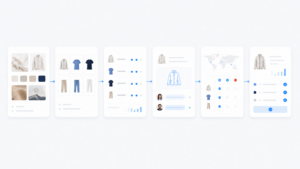
A decision layer gives product, merchandising, design, planning, and regional teams a shared place to make the upstream calls before they become the PLM record.
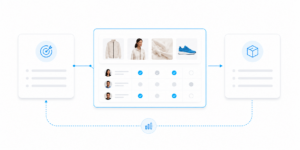
It connects concept intent, assortment choices, margin assumptions, regional feedback, vendor constraints, sample history, and the record of what was challenged, changed, approved, or cut. That gives teams a clearer basis for the next decision, and gives AI the context it needs to contribute credibly.
A decision layer does not replace planning or PLM. It closes the gap between them.
The full report explores why trust follows the stakes, how to measure AI value upstream, and what it takes to move from pilots to production in apparel product creation.
Download The Decision Layer: The State of AI in Apparel 2026 here.