




Skip to content
Merchandising Software for Fashion & Apparel

You have the targets.
Now build the line that meets them.

VibeIQ is where merchandising teams at fashion, apparel and footwear brands turn option counts, price, margin, region, and channel targets into the actual product line.

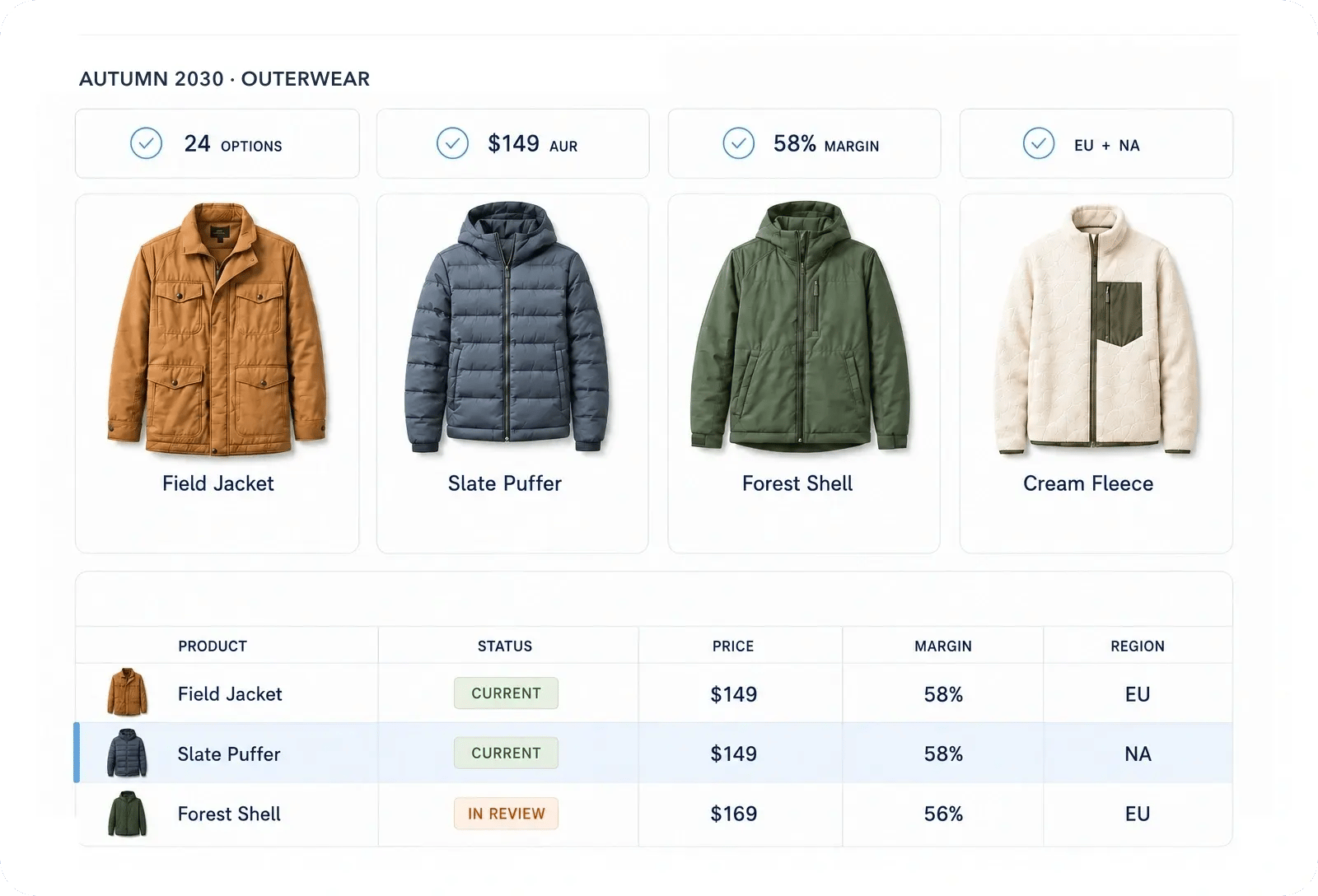
Building an outerwear line against targets in VibeIQ

The plan can be right while the line is still wrong.

Option counts, price, margin, and market targets can all work on paper while the line still has gaps, duplication, weak price architecture, or regional misalignment.
Reviews start with reconciliation
Teams rebuild decks and reconcile versions before they can evaluate whether the line actually meets the plan.
Outerwear line in VibeIQ where the plan is right but the line is wrong
Teams work from different versions
Design, planning, merchandising, and regional teams make decisions from different views of the same developing line.
Problems surface too late
By then, more development has already been committed.

Built for the merchant’s job, not retrofitted around it.

Fashion merchandising software built around how merchants work: turn targets into the actual line, evaluate the set as a whole, and decide what moves forward across markets and channels.

Shape the line against the plan

Start with option count, price, margin, category, region, and channel targets, then build the line against them. See gaps, duplication, and target variance as products take shape.

Kizik reduced product line-plan preparation from a week to under a day.
Shaping an outerwear line against the plan in VibeIQ
Bring market input in earlier

Build regional and channel assortments from the global line while choices, concerns, forecasts, and local needs remain visible centrally.

Market input on outerwear styles brought in earlier in VibeIQ
Keep decisions with the line

Capture cuts, swaps, approvals, and rationale as the assortment evolves so teams know what changed and why.

Outerwear options with the reasoning behind each decision in VibeIQ
Run reviews from the current line

Evaluate the actual assortment against the targets and make changes during the meeting instead of rebuilding the story afterward.

Carter’s returned 36 hours per merchant, per season.


Outerwear line review in VibeIQ with comments and decisions
Use AI with the whole line in view

Compare options, surface overlap, and evaluate changes against the product, commercial, and assortment context already in VibeIQ.


AI line agent suggesting changes to an outerwear line in VibeIQ
“One of the key outcomes was being able to see the full assortment in a visual, live plan. By far, that has made the most impact on our team and our cross-functional partners.”
Vera Bradley logo

Earlier decisions show up in the numbers.

Vera Bradley logo
10% fewer SKUs
Before sampling
New Balance Logo
12 weeks earlier
Regional feedback
Kizik logo
4 weeks returned
Each seasonal cycle

Where VibeIQ fits in the merchandising stack

Planning sets the targets. VibeIQ turns them into the actual line. PLM develops what moves forward.
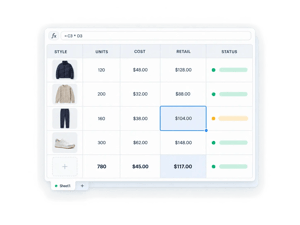
Spreadsheet-style product list
Spreadsheets
Useful working views, but quickly drift apart.
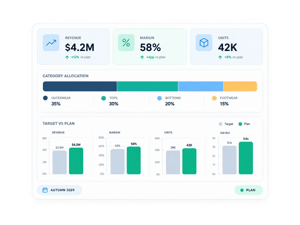
Planning system dashboard with sales and margin charts
Planning systems
Set commercial targets. They don’t define the line.
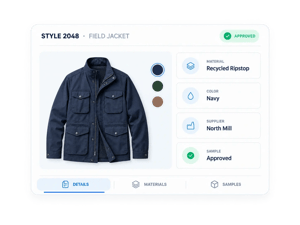
PLM style record for a jacket
PLM
Manages adopted products through development, not the line.
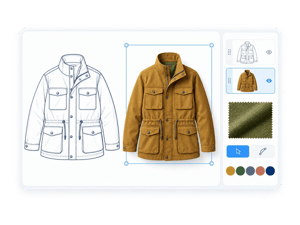
Creative tool with a jacket sketch and colorways
Creative tools
Develop product ideas, not whether the line works.

Merchandising software questions

What is fashion merchandising software?

Fashion merchandising software helps merchandising teams at apparel, footwear and lifestyle brands decide what goes into each season's line. It connects option counts, price architecture, margin and regional or channel targets to the actual products, so teams can see gaps and duplication while the line is still being shaped.

How is VibeIQ different from merchandise financial planning tools?

Planning tools set the commercial targets. VibeIQ is where merchandisers build the product line against those targets, with product imagery, attributes and decisions in one live view. It works alongside your planning system and PLM rather than replacing them. See how the merchandise plan connects to the product line.

Can regional and channel teams work from the same line?

Yes. Regional and channel assortments are built from the global line, so local choices, concerns and needs stay visible centrally instead of in separate files.

What results do merchandising teams see?

Kizik reduced line-plan preparation from a week to under a day, and Carter's returned 36 hours per merchant, per season.

Put your next assortment review to the test.

Bring a range plan, current line, or assortment review. We’ll show where targets lose connection to the line, where avoidable rework enters, and what could change earlier.